Why last-mile is where
Sydney freight gets slow
A parcel can cross the Nullarbor in five days and then spend two more circling a Sydney suburb. Apartment access, strata rules and streets designed for horses decide more ETAs than distance ever does.
January 2026 · by the Route Prime team
Ask anyone in freight what the hardest part of the job is and nobody says the highway. It's the last ten kilometres — the part where the freight meets a front door.
The address is a place, not a point
Google Maps drops a pin. Sydney drops reality on top of it: unit 47 in a strata block with no lift and a gate code that changed last month. A dock in the CBD that only takes trucks 8–10am, booked three days ahead. A terrace on a street so narrow the driver parks around the corner and trolleys it in.
Every one of those is solvable — but only if someone tells us before the van arrives. 'Deliver to reception' sounds simple until reception is on level 12 and the parcel is a 40kg box.
Why ETAs are windows, not times
Carriers who promise '11:04 Tuesday' are marketing, not planning. Traffic on Parramatta Road alone swings a run by forty minutes. We quote windows — morning or afternoon — because that's what's actually controllable, then narrow it with the call-ahead 20–30 minutes out. The receiver gets certainty that matters (someone's coming soon) instead of precision that's fake.
What makes a drop go first-try
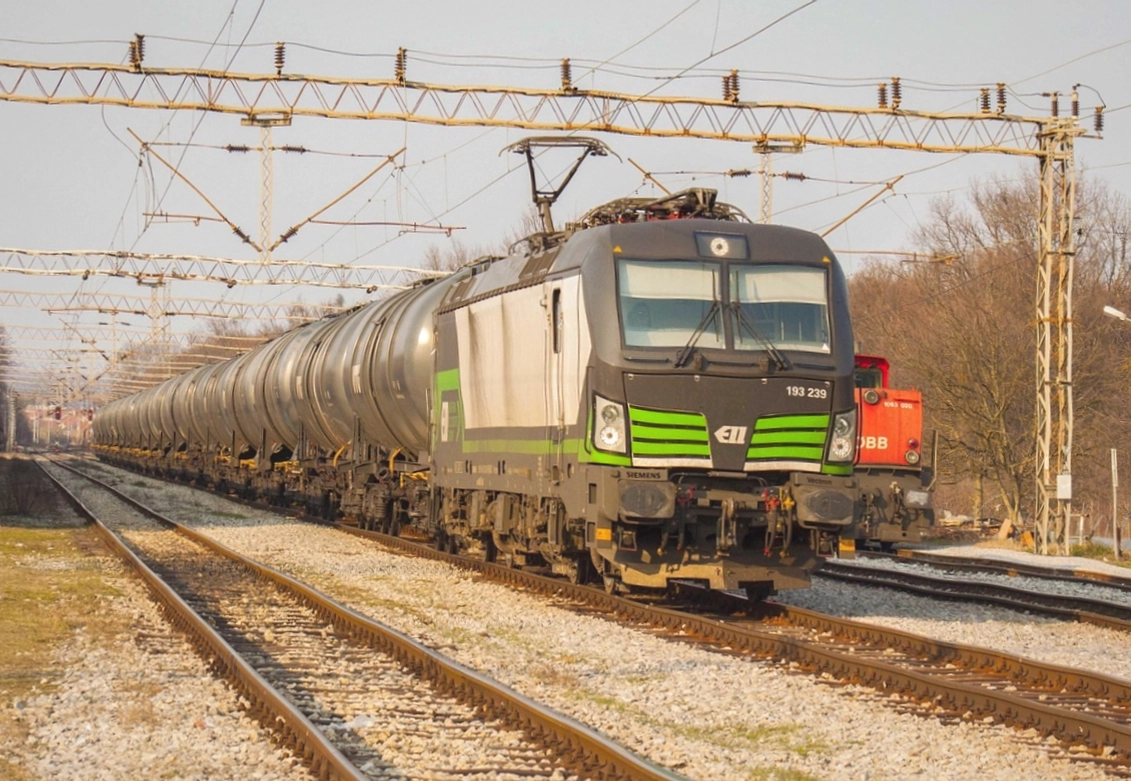
Access notes at booking — stairs, dock rules, gate codes, 'call the tenant not the office'. A receiver who knows we're coming (the call-ahead does this). And a driver who's done the suburb before. Our metro courier crews run the same routes for years — the building manager in Surry Hills knows our drivers by name, and that's why the gate opens.
For businesses shipping to customers daily, the bigger fix is boring consistency: same driver, same round, same time. It's the difference between a scheduled round and a string of one-off bookings — and it's usually cheaper too.

Kate Sullivan
Client coordinator, metro deliveries
Kate books every metro run and fields every 'the gate code doesn't work' call. She keeps the unofficial directory of Sydney's worst loading docks — it's longer than you'd think.
Related to this piece
Delivery questions
The details that make drops work first-try.
Drops failing
on the doorstep?
Send the suburb and the access story — a working delivery plan is usually one email.